The Solitary Coastline: Winter Along the Baltic Rim
Field chronicle by Editorial Fellow Marcus Lindqvist. Photography by S. Hämäläinen.
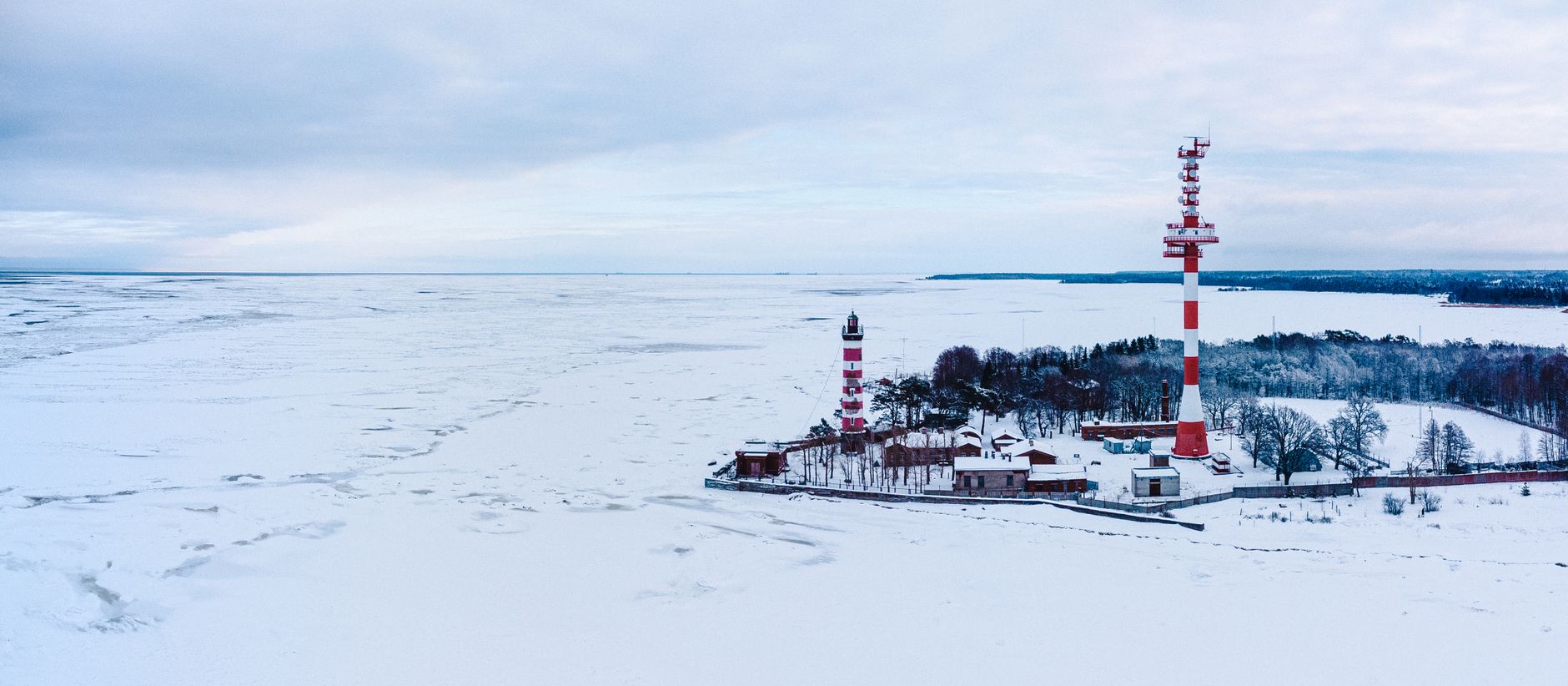
Table of Contents
When summer tourists evacuate the coastal archipelagos between Stockholm, Turku, and the Estonian western isles, a deep hush descends upon the shallow waters. In November, daylight reduces to a fragile five-hour arc of pale amber light, reflecting off freezing shallows and granite skerries.
1. The Quiet Waters of November
Traveling by localized commuter mail-ferries rather than commercial cruise liners reveals the true character of Baltic maritime life. The ferries push through early grease ice with a steady mechanical pulse, stopping at islands inhabited by no more than four or five year-round families.
"Out here, conversation is sparse because the wind provides all the commentary required. A traveler learns quickly to listen before speaking."
2. Vernacular Wooden Habitations
On the island of Kökar, ochre-painted fishing houses sit tethered to sheer stone mounds. Built with dense pine timber harvested over a century ago, these buildings breathe with the humidity of the sea while trapping warmth from cast-iron hearths. We spent four days in an unmodernized timber room with a desk looking out toward the Gulf of Finland.
3. Smoke, Sauna, and Maritime Rhythm
In these climates, the wood-fired sauna is not an indulgence or spa amenity; it is the physical and philosophical center of daily health. Birch logs cut two seasons earlier burn with clean, dry heat, followed by plunge swims into near-freezing sea channels.
4. Practical Field Logistics
- Recommended transit: Regional Archipelago Ferries (Ålandstrafiken) departing from Lumparland.
- Apparel: Double-knit merino base layers, windproof oiled canvas jackets, and non-slip insulated boots.
- Timing: Late October to late January for authentic off-season isolation.