Fire, Salt, and Vine: The Culinary Terroir of Sicily
Field chronicle by Gianna Bellini. Terroir tastings and notes from Mount Etna.
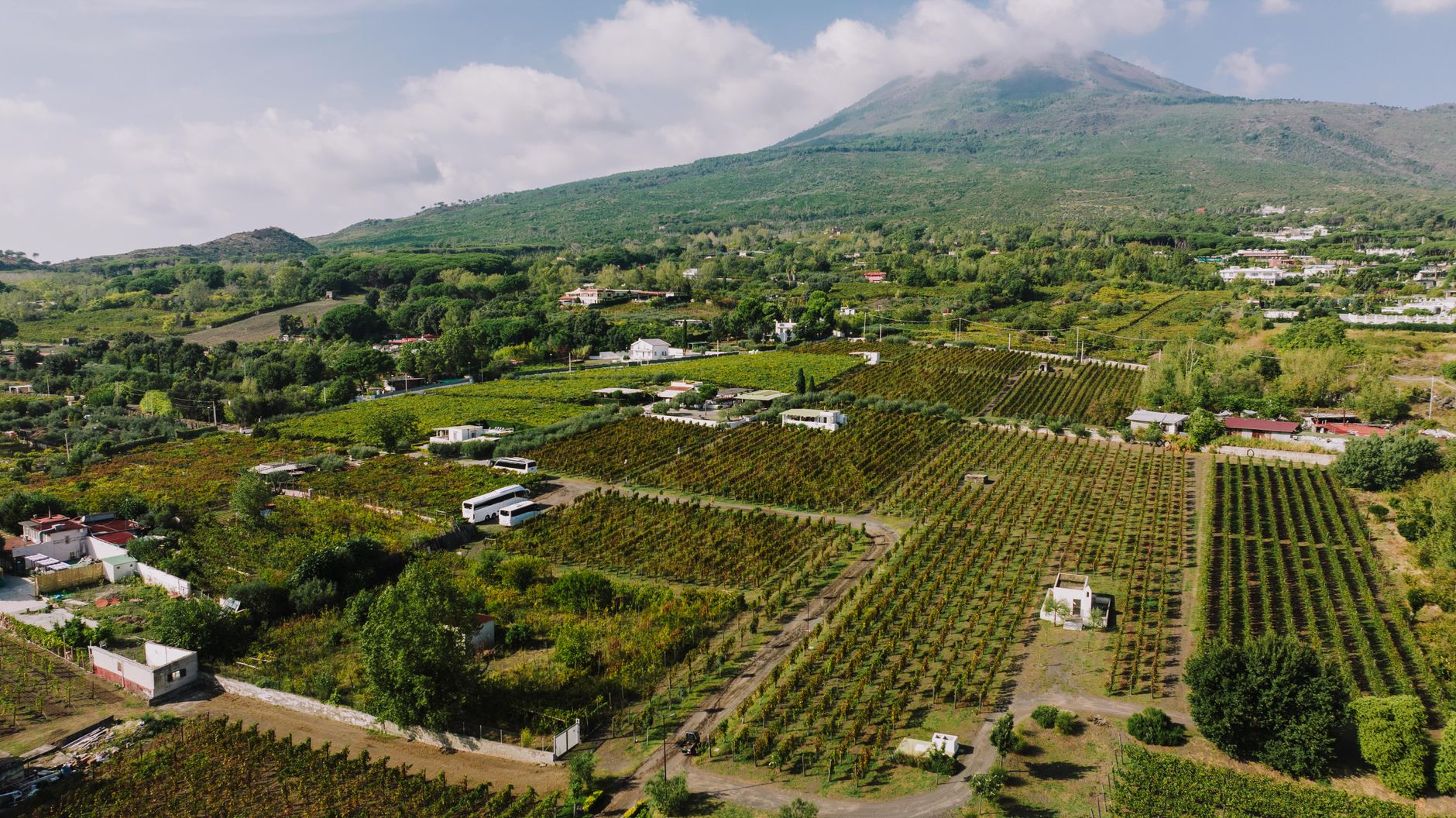
Table of Contents
The soil of Mount Etna does not yield wine easily. It is jagged basalt stone, dark ash, and unstable volcanic shale terraced by dry stone walls built over millennia. Yet here, at elevations exceeding 800 meters above sea level, ungrafted Nerello Mascalese vines produce wines of startling mineral translucency.
1. Ash and Elevation on Mount Etna
In the northern valley near Randazzo, diurnal temperature swings drop by twenty degrees Celsius between midday and midnight. This drastic fluctuation retains vibrant acidity in the fruit while mountain winds deter pests without chemical inputs.
"The volcano is not our enemy; it is our cellar master. Every vintage carries the scent of cooled smoke and wild fennel."
2. The Rebirth of Ancient Heritage Grains
In the interior hills around Enna, a collective of generational millers has reintroduced heirloom wheat varieties—Timilia, Russello, and Perciasacchi. These tall, resilient grasses require zero irrigation and create flour with deep, nutty aromas and low glycemic response.
3. The Coastal Salt Flats of Trapani
Westward on the coast, windmills still turn slowly over the salt marshes of Stagnone. Sea salt harvested by hand under intense Mediterranean sunlight carries trace magnesium and potassium that elevate local seafood to culinary high art.
4. Selected Independent Cellars
When visiting the Etna DOC, avoid commercial tasting rooms along highway corridors. Seek small family cellars (contrade) in Passopisciaro and Solicchiata that practice spontaneous fermentation in concrete vats.